



If spring is for cleaning, summer is for maintenance. Summer heat, storms, and heavy external water use all put extra strain on a home. Before the weather turns, these summer home maintenance tips will help you catch small problems before they become expensive ones.
Planning is a core part of our homeownership program. We don’t just build homes and hand over the keys. We become true partners with our homeowners, offering classes in home maintenance, personal finances, and other related topics to help them prepare for the demands of owning and maintaining a home. Building their home and other Habitat homes, a core part of the “sweat equity” homeowners perform to qualify for a home, also helps them learn about home maintenance.
To keep your home in good shape and cut your utility and repair bills, read on for 5 easy summer home maintenance tips to improve the inside and outside of your home.
1. Check and clean your gutters.
Summer storms can be heavy and happen quickly. If your gutters are clogged, water can pool where you don’t want it to. Clear all leaves, twigs, and other debris from your gutters and downspouts so they don’t overflow and damage your roofing or siding.
Then, spray water onto your roof to confirm that it funnels into your gutters, and that your downspouts are routed so water drains at least 5 feet from the house. Pooling water can flood a basement or crack your foundation.
2. Inspect your home’s exterior for cracks and gaps.
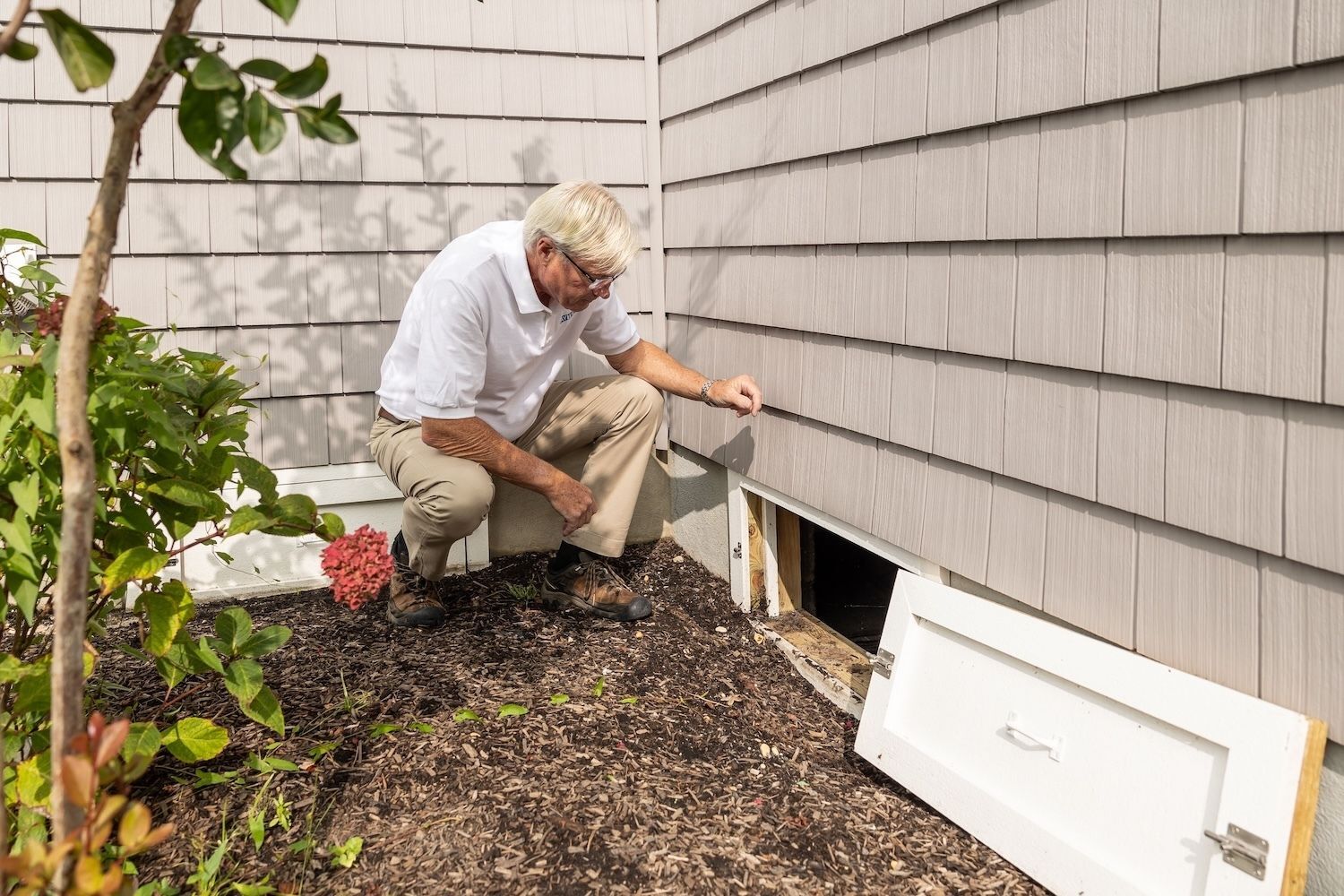
Walk around your house and look at your foundation, siding, and caulking around windows and doors. If you can safely access your roof, check for missing or loose shingles. Even a small crack in your home can let in water, pests, and cold air when winter comes. Sealing any gaps can lower a summer utility bill and keep your family more comfortable year-round.
If you have a deck, check for loose boards, popped screws, mold, and mildew. Shake railings to make sure they’re securely attached.
3. Inspect your interior just as closely.
Walk through each room of your home to check for cracks and moisture. Missing insulation in an attic can mean a warmer home, the last thing you want during a hot summer. A musty smell in the basement could mean a crack in the foundation or issues with ventilation. Water spots on a ceiling could signal a leak in your roof. If you do need to make repairs, you’ll be glad you had them done when you aren’t also dealing with snow and icy wind.
4. Service your HVAC system.
During our hot summers, you’ll want to be sure your air conditioning is working at an optimal level. And while extra heating is the last thing you’re thinking about during summer, it is the best time to have your heating system serviced so you can avoid emergency repairs when it’s cold. Regular servicing cuts energy use and prolongs the life of your equipment.
This is also when you want to replace or clean HVAC air filters (do this every 1-3 months). These filters allow for proper airflow and can improve indoor air quality. But when they’re clogged with dust, pollen, or pet dander, the system has to work harder.
5. Check your outdoor water use.
Tending to your yard isn’t just about aesthetics. Check water heads for leaks and where they spray. If they’re spraying your driveway or sidewalk more than your grass, adjust them. Trim trees so they don’t hang over your roof, or your neighbor’s. Tree branches can trap moisture against a house or cause damage if they fall during a storm.
Building for the Long Term
Regular maintenance, like the kind covered in these tips, keeps your home performing the way it should be, and makes you less likely to run into emergency problems. At Habitat, we are dedicated to building durable and sustainable homes at the lowest possible cost, to improve housing affordability and the health of the homeowners. We focus on energy efficiency, water efficiency, materials conservation, and the safety of each home we build.
Volunteer with Us
Help us build sustainable homes for working members of our community by volunteering with Habitat. Whether you do your best work swinging a hammer at a build site, folding donations at ReStore, or organizing an event, every hour you volunteer helps more families build stability and self-reliance through affordable homeownership.