

Some people hear the words “affordable housing” and think it means a giveaway, or a burden the rest of us have to pay for. Both are common affordable housing myths, and recent data shows neither is accurate.
The Wasatch Back has a growing need for affordable housing, so that our local workforce can live where they earn money. When teachers, firefighters, and medical personnel can't live where they work, it affects the entire community.
Here are five things people get wrong about the importance of affordable housing, and how Habitat for Humanity works to meet that need.
Myth 1: We Don’t Need More Affordable Housing Here
Rental prices keep rising in the Wasatch Back, eating up a larger and larger share of workers’ paychecks. That means less money for basic needs or planning for the future.
Workers who are priced out have to move and commute long distances, which brings increased costs and other issues: Kids need to switch schools, families can’t put down roots, and more time is missed from work due to transportation or distance issues.
According to a recent economic impact analysis of the Wasatch Back prepared by Economic & Planning Systems, for every 100 new homes built for local workers, our region saves about 66,000 hours of driving per year, time they could have spent with family or contributing to their community.
Myth 2: Affordable Housing Only Benefits That Family
Affordable housing is an investment in the entire community, not just one family. That same study referenced above found benefits to the community at large, not just the homeowners. A hundred new homes for local workers generate approximately 40 school-age children, which translates to $179,000 a year in per-pupil funding for local schools. This money supports all students, not just those in affordable housing.
Beyond schools, the study estimates that 100 new homes can add up to $150,000 per year in volunteer labor, since local homeowners can become part of their new communities and make significant contributions to hospitals, nonprofits, and civic organizations that rely on this volunteer support.
Myth 3: Affordable Housing Is a Burden on Taxpayers
According to this study, communities benefit financially from affordable housing. It estimates that out of every $400,000 a community invests in homes families own, like Habitat’s homes, the return is an estimated $585,000 in community and economic value.
A notable part of that is in jobs. When the local workforce can afford to live nearby, businesses are less likely to be short-staffed. In other words, supporting affordable housing is an investment that pays back the community.
Myth 4: Habitat Gives Away Homes
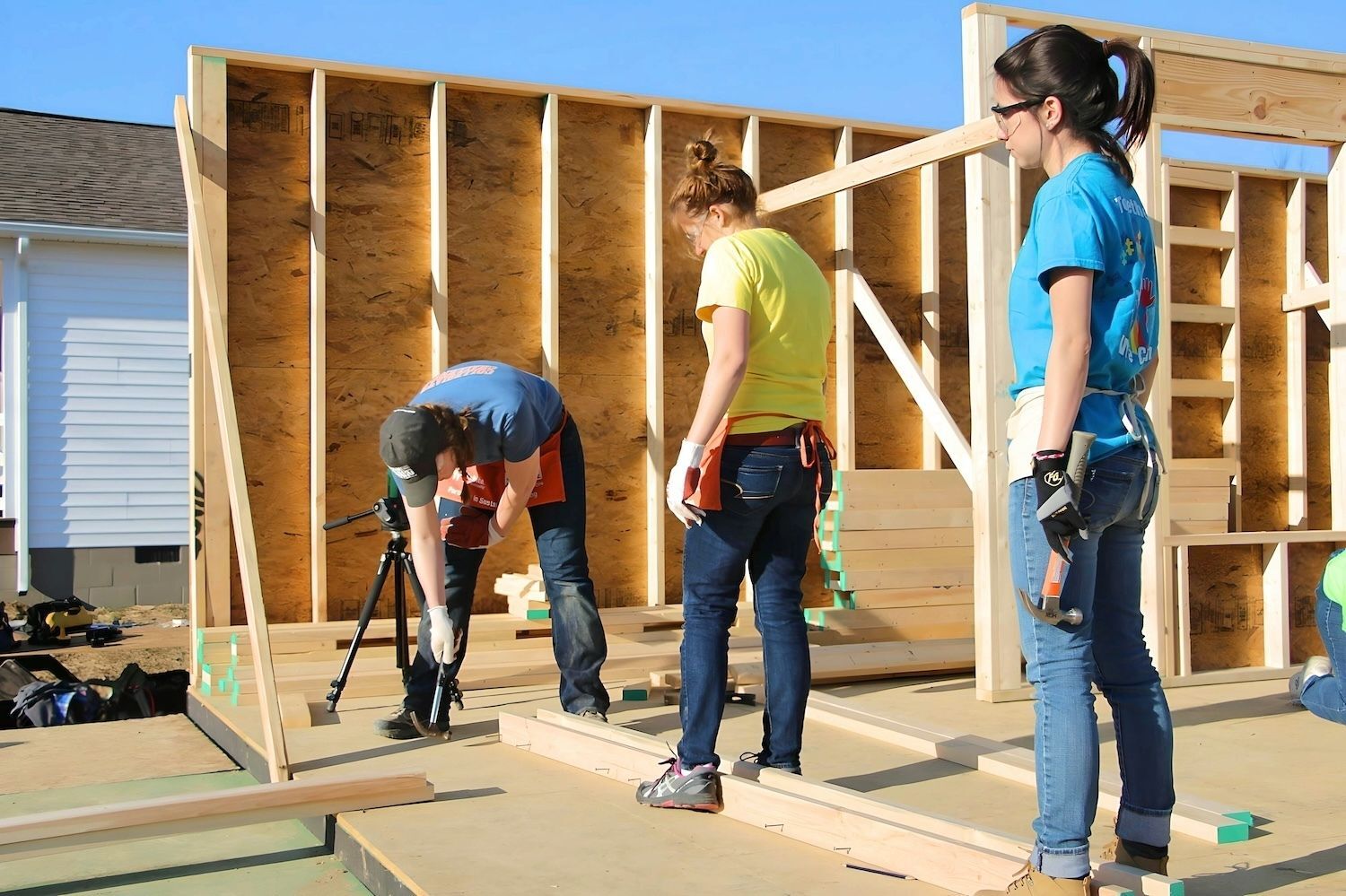
A Habitat home is a hand up, not a handout. Homeowners must first qualify, which includes maintaining steady income and good credit. They then commit to partnering with Habitat to build homes alongside Habitat volunteers, working at the Park City ReStore, and completing coursework in financial education and home maintenance so they can maintain their future homes.
Once they’ve completed the requirements, they purchase the home, sign a mortgage, and pay property taxes like any other homeowner.
Myth 5: Homeownership Doesn’t Really Change Lives
Families who complete Habitat’s homeownership program have learned valuable life skills along the way. And by staying in the same home instead of regularly moving due to housing instability, the entire family sees clear benefits: Kids can stay enrolled in the same school, and families enjoy benefits to their health by living in a safe home and leaving behind the stress of worrying about the next rent increase or whether the car will hold up to long daily commutes.
Help Us Build the Foundation
Just as a foundation supports a house, Habitat supports the community by advocating for and building affordable housing for our local workforce. Habitat isn’t about giving people something for nothing. It’s about partnership, responsibility, education, and hard work.
This work impacts generations of families and strengthens our communities as a whole. Now that you know the truth about affordable housing myths, won’t you join us to help local teachers and municipal employees by making a donation?